A diesel bowser arrives at a construction site, the operator connects a hose, and refuelling begins. Everything may look normal until the delivery slows, a filter blocks, or a machine develops an unexpected fault. The cause may not be the dispenser itself. Diesel fuel contamination can develop anywhere between a supplier’s terminal and a machine’s tank, often without an obvious warning.
For fleet managers, mine operators, factories and infrastructure contractors, fuel cleanliness is an operational issue, not merely a laboratory specification. Understanding where contaminants enter, what they do and how to control them helps protect dispensing assets and expensive downstream equipment. The following guide focuses on practical industrial refuelling decisions.
What Is Diesel Fuel Contamination?
Diesel fuel contamination means unwanted water, solid particles, biological material or incompatible substances are present in fuel. Some particles remain suspended while heavier material settles at the bottom of a tank. Water may appear as droplets, a separate bottom layer or dissolved moisture that cannot be identified by sight alone.
Where Diesel Fuel Contamination Begins in Industrial Operations

Diesel fuel contamination may begin after a delivery that starts with acceptable fuel quality yet become compromised during storage or transfer. Filling points left open at dusty construction sites allow grit into tanks. Damaged caps, poorly positioned vents and rainwater entering manholes introduce moisture. Condensation can accumulate in tanks subjected to changing temperatures, while internal corrosion creates rust particles.
Mobile bowsers encounter extra exposure: repeated connections, road vibration, shifting fuel and frequent visits to muddy or unpaved locations. Dirty nozzle tips, uncapped hoses and reused funnels can also introduce solids. Where fuel passes through several temporary containers, each additional transfer creates another opportunity for diesel fuel contamination.
Water: The Most Overlooked Form of Diesel Fuel Contamination
Water commonly enters through rain ingress, poor tank sealing or moisture already present in delivered fuel. Free water tends to collect at low points, where it can accelerate corrosion and support microbial growth at the fuel–water interface. In cold or variable conditions, moisture can contribute to operational disturbances in the handling system.
A small amount of water is not the same as a complete tank failure, but visible separated water should not be ignored. Diesel fuel contamination involving water can reduce filter service life and introduce corrosion products into the transfer circuit. If a sample shows a distinct bottom layer, stop the affected transfer, isolate the source and investigate before fuel reaches equipment.
For background on biological growth associated with water, see microbial contamination of diesel fuel. This general reference helps explain why draining water is often more useful than repeatedly treating symptoms.
Dust, Rust and Sediment: Small Particles, Large Consequences
Dust enters through poorly protected fill ports, unclean transfer tools and exposed nozzles. Rust flakes may come from an ageing tank. Other sediment can originate in degraded fuel, biological residues or material dislodged during cleaning. Even when a tank bottom looks relatively clean, fine particles may remain suspended as fuel moves.
In diesel fuel contamination cases involving solids, filters usually provide the first obvious warning. Their pressure drop increases, delivery becomes slower and operators may mistakenly conclude that a pump is weak. Replacing the filter may briefly restore flow, but the restriction will return if the source remains untreated.
Particulates that pass through inadequate filtration can reach precision engine fuel-system components, where abrasive wear and restricted injector passages become concerns. Industrial sites should therefore distinguish protecting a dispensing pump from supplying fuel clean enough for the vehicle or generator receiving it.
How Diesel Fuel Contamination Affects Transfer Pumps
Diesel transfer pumps depend on correct inlet conditions, suitable fluid properties and clean internal passages. Abrasive solids can accelerate wear in vulnerable pumping elements and seals. Debris may obstruct strainers or valves, while water exposure can contribute to corrosion in susceptible components. The outcome depends on pump design, materials, filtration and how long the condition continues.
An operator should never bypass a clogged filter to maintain refuelling speed. That may restore flow temporarily while passing the cause of the original restriction to more costly equipment.
Can Diesel Fuel Contamination Affect Flow Meter Accuracy?
A fuel meter is designed and calibrated for defined operating conditions. Dirty fuel can cause fouling or wear in susceptible meter mechanisms, while clogged strainers can change the flow conditions around the measurement system. Entrained air, installation problems and flow outside a meter’s specified range can also influence performance independently of contamination.
For that reason, diesel fuel contamination should trigger inspection, not an automatic assumption that the meter is misreading. Compare actual delivery against a suitable calibrated proving method, review maintenance records and inspect inlet strainers in line with the manufacturer’s instructions. Meter testing and recalibration should follow applicable legal-metrology requirements where the system is used for trade.
Eastman Meters provides oil flow meters for different liquid-transfer applications. Choosing the right meter matters, but a clean fuel path and correct installation remain essential to dependable measurements.
Diesel Fuel Contamination in Mobile Bowsers and Remote Refuelling
Remote refuelling is especially demanding because the bowser operates as a moving storage and dispensing system. It may serve excavators in one location, generators at another and a fleet yard later that day. Every nozzle connection creates a point where dirt can enter if basic housekeeping is inconsistent.
A practical diesel fuel contamination control procedure for bowsers includes checking the tank and filter condition before departure, keeping the delivery nozzle protected, examining water-separator indicators where fitted and recording unusual flow behaviour. Operators should also avoid drawing settled material from the tank bottom during transfers or cleaning.
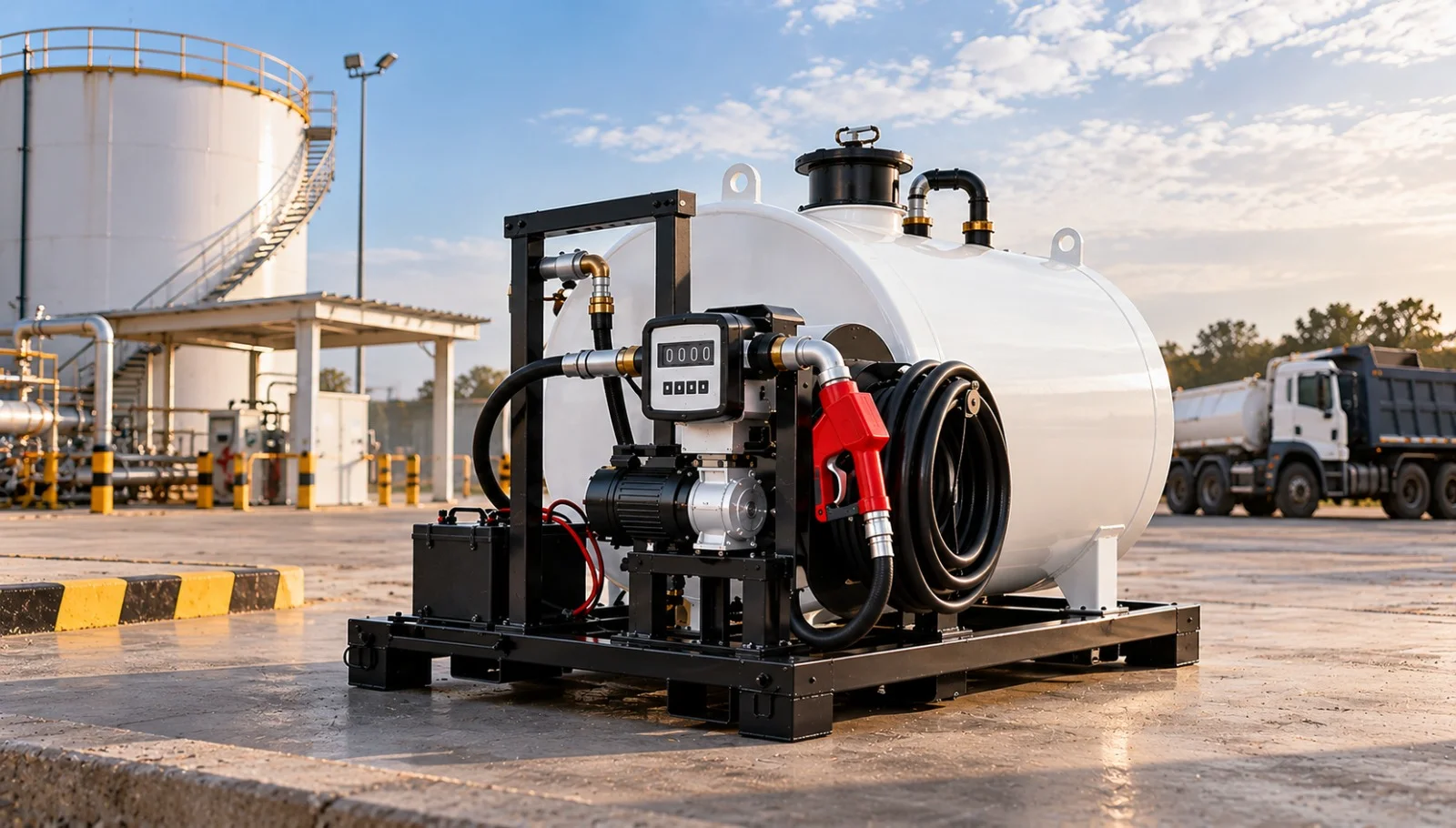
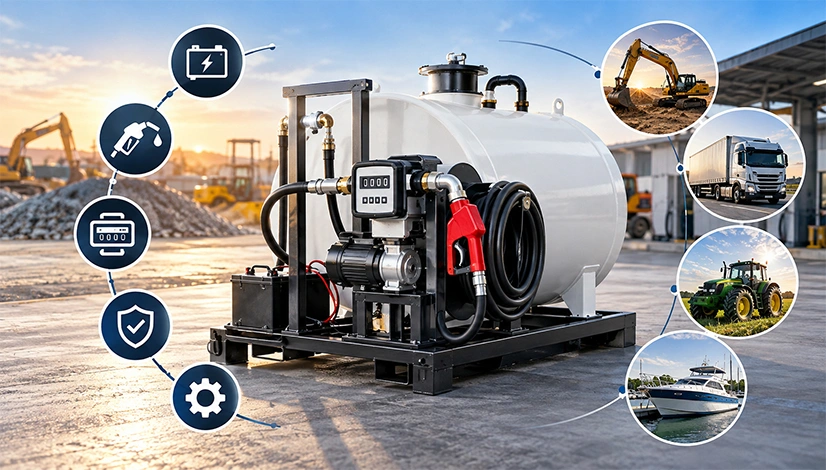
For businesses planning on-site delivery, Eastman’s mobile fuel bowsers illustrate how tanks, transfer equipment, filtration and metering are integrated. Those components should be maintained as one fuel-handling chain rather than as unrelated accessories.
How to Detect Diesel Fuel Contamination Before Equipment Fails

Early detection of diesel fuel contamination works best through a combination of observation, sampling and records. Use a clean, fuel-compatible sampling container and a safe, site-approved method. A representative sample taken from the correct point is more informative than fuel collected from a dirty bucket. Consult a qualified fuel-testing provider when the issue requires particle counting, water determination or microbial testing.
Practical indicators include repeated filter changes, unexplained loss of transfer rate, visible water in a sample, recurring rust deposits and multiple vehicles reporting problems after using the same supply. Keep a record of delivery batches, tank identification, filter replacement dates and equipment served. Patterns across several assets can help identify the source of diesel fuel contamination.
A Practical Diesel Fuel Contamination Prevention Checklist
The best diesel fuel contamination prevention programme assigns clear responsibility before a failure occurs. For every refuelling site, incorporate these steps into existing operating procedures:
- Inspect incoming fuel records and tank seals; investigate damaged fittings or unexplained moisture.
- Keep fill ports capped and delivery nozzles clean, protected and off the ground.
- Check tank low points for water only using approved, safe drainage and disposal methods.
- Select filters and water separators for the fuel, target cleanliness and specified operating flow.
- Record filter differential pressure or service indicators where the system provides them.
- Clean and inspect storage tanks on a risk-based schedule, especially after known ingress.
- Train operators to stop and report abnormal fuel appearance, noise or flow instead of bypassing safeguards.
Prevention of diesel fuel contamination is a shared responsibility among procurement, maintenance and field operators. A purchasing policy cannot replace disciplined handling, and a premium dispenser cannot make heavily contaminated supply fuel safe for an engine.
What to Do When Diesel Fuel Contamination Is Suspected
When diesel fuel contamination is suspected, first pause dispensing from the suspected source and label or isolate it according to site procedures. Document what was observed, the equipment affected, the last supply delivery and which assets received fuel. Retain representative samples using the laboratory’s approved method and maintain traceability.
Next, inspect the relevant filter, water separator, tank and transfer components. Determine whether the problem is restricted to one dispenser or common to several delivery points. Contaminated fuel may require professional treatment, filtration, removal or disposal depending on test results; simply adding chemicals without diagnosis can create further complications.
After corrective work, verify fuel quality, confirm transfer performance and check any potentially affected equipment before returning the system to service. When diesel fuel contamination reaches an engine, follow the engine manufacturer’s assessment and repair procedures rather than assuming fresh fuel alone resolves the risk.
Why Fuel Quality Belongs in Industrial Maintenance Planning
An industrial refuelling operation is measured not only by how quickly it transfers litres but also by whether the delivered fuel is suitable for the receiving asset. Unplanned filter changes, delayed machinery, repeat service calls and disputed deliveries all create avoidable work. Diesel fuel contamination can therefore affect uptime and record reliability even when no dramatic failure occurs.
Eastman Meters offers fuel dispensing solutions for mobile and industrial applications. Operators evaluating new systems should discuss the fuel type, filtration arrangement, expected duty cycle, service access and maintenance practices—not just dispenser output.
Conclusion: Control Diesel Fuel Contamination at Every Transfer Point
Diesel fuel contamination rarely announces itself at the moment it enters a tank. Water may settle unnoticed, dust may accumulate in a neglected hose connection, and sediment may travel downstream only when the tank is disturbed. By the time a pump slows or a filter blocks, the underlying issue may have been present for weeks.
Reducing diesel fuel contamination requires a straightforward approach: protect fuel during receipt, store it correctly, inspect every transfer stage, respond early to warning signs and verify corrective action. If your operation needs an appropriately configured industrial fuel-handling system, contact Eastman Meters to discuss your application and equipment requirements.