Fuel losses, inaccurate readings, and manual record errors quietly eat into profits. For transporters, construction firms, mines, farms, and fuel resellers across India, controlling diesel usage is no longer optional. A modern diesel dispenser machine helps you measure, monitor, and manage fuel with precision, while reducing theft and improving operational efficiency.
This 2026 buying guide explains everything you need to know: types, pricing, compliance, features, and how to choose the right system for your business in India.
What Is a Diesel Dispenser Machine?
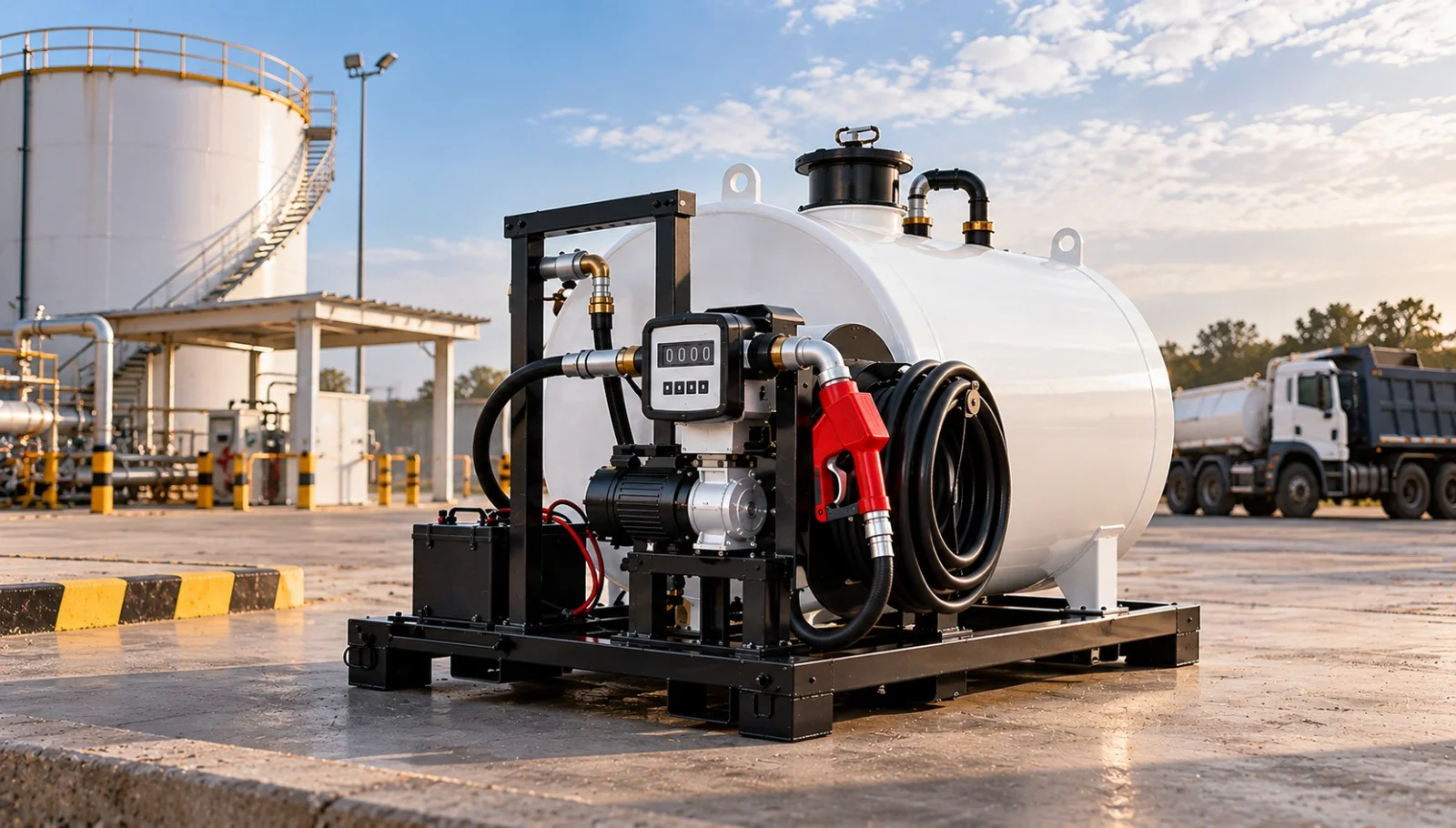
A diesel dispenser machine is a calibrated system designed to transfer and accurately measure diesel from a storage tank to vehicles, machinery, or equipment. Unlike a basic pump, it integrates flow measurement, display, and often digital tracking.
It is also referred to as a diesel dispensing unit or a mobile fuel dispenser for diesel when designed for transport and field operations.
Modern systems range from mechanical units used in small farms to advanced digital diesel dispenser models integrated with fleet tracking software.
Why Businesses in India Are Investing in Diesel Dispensers
Diesel accounts for a major operational cost in logistics, mining, infrastructure, and agriculture. Rising fuel prices and stricter compliance norms have pushed businesses toward automated dispensing solutions.
A well-installed system helps:
- Reduce fuel pilferage
- Track real-time consumption
- Maintain accurate billing records
- Improve cost forecasting
- Ensure regulatory compliance
For fleet operators, a fuel dispensing machine for fleet management is often the first step toward full fuel automation.
Types of Diesel Dispenser Machines
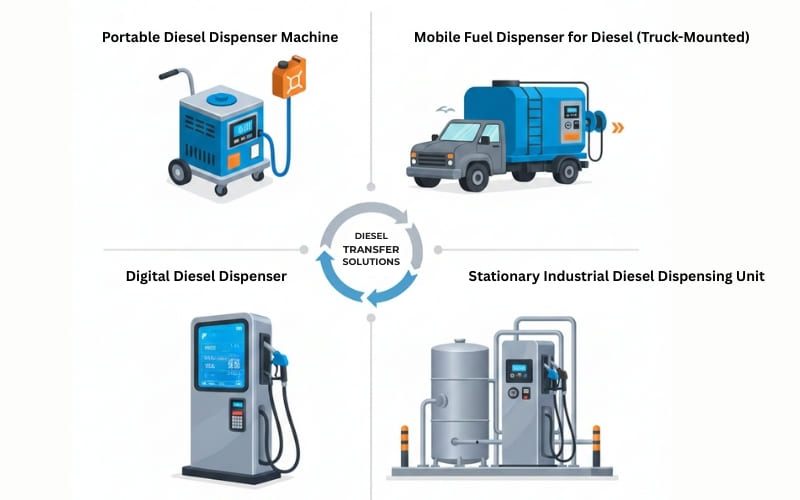
Choosing the right system starts with understanding available configurations.
1. Portable Diesel Dispenser Machine
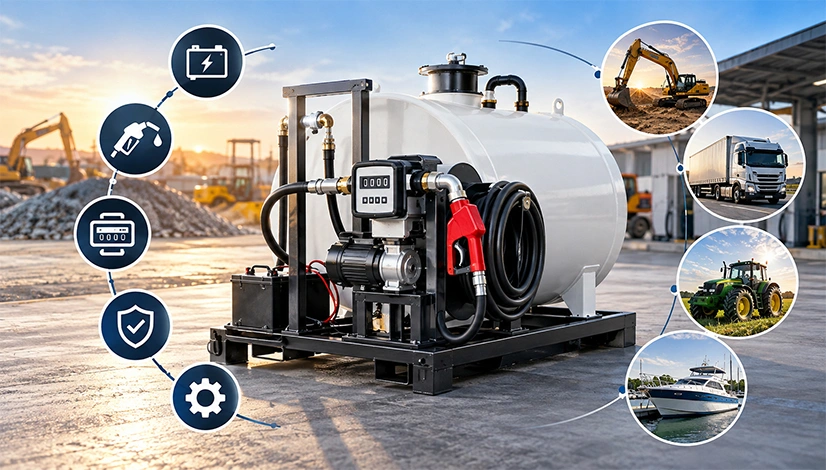
A portable diesel dispenser machine is compact, often mounted on small tanks or vehicles. These are ideal for construction sites, farms, or remote infrastructure projects.
Best for: Temporary sites, on-field refueling, small fleets.
2. Mobile Fuel Dispenser for Diesel (Truck-Mounted)
These units are mounted on trucks or bowsers and used for on-site fuel delivery. Many are integrated with preset systems and micro-printers for invoicing.
Best for: Fuel distributors and logistics operators.
3. Digital Diesel Dispenser
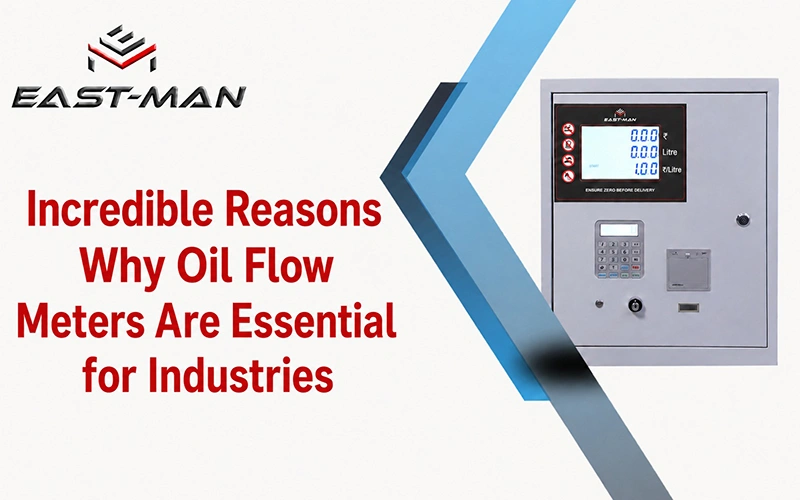
A digital diesel dispenser includes electronic calibration, LED display, and sometimes cloud-based data logging. It provides higher accuracy and better control.
Best for: Medium to large enterprises needing monitoring and audit trails.
4. Stationary Industrial Diesel Dispensing Unit
Installed at fixed storage tanks inside factories or depots. Suitable for controlled fueling inside premises.
Best for: Manufacturing plants, transport depots, and fleet yards.
Key Features to Look for in 2026
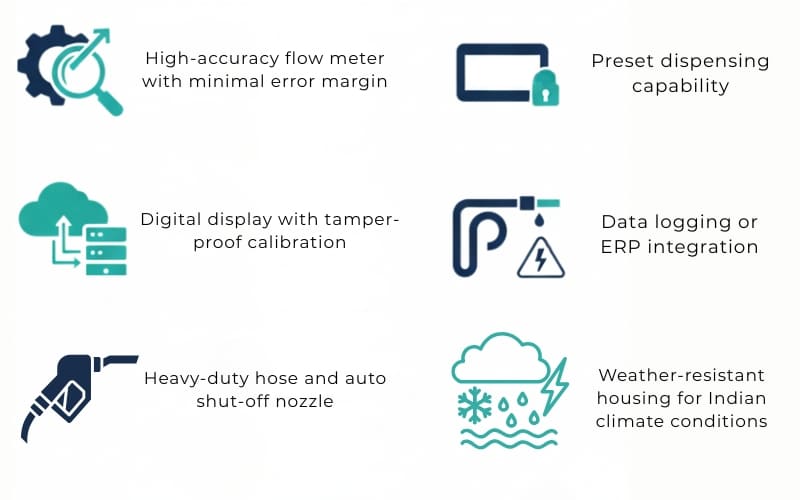
Technology and compliance standards have evolved. When evaluating options, check for:
- High-accuracy flow meter with minimal error margin
- Preset dispensing capability
- Digital display with tamper-proof calibration
- Data logging or ERP integration
- Heavy-duty hose and auto shut-off nozzle
- Weather-resistant housing for Indian climate conditions
If operating in regulated environments, ensure the system is a PESO approved diesel dispenser, meeting safety and explosive regulations in India.
Diesel Dispenser Machine Price in India (2026)
The diesel dispenser machine price in India depends on capacity, automation level, compliance requirements, and customization. Instead of focusing on fixed numbers, it’s more practical to understand pricing in terms of equipment category and feature level.
| Type | Pricing Level | Suitable For |
| Basic Mechanical Unit | Entry-Level Investment | Farms, small businesses |
| Portable Diesel Dispenser | Moderate Investment | Construction, field operations |
| Digital Diesel Dispenser | Mid to Premium Range | Fleet & industrial use |
| Truck-Mounted Mobile System | High-Capacity / Custom Engineered | Fuel distributors |
What Influences the Price?
Pricing can vary significantly depending on:
- Tank capacity and flow rate
- Mechanical vs digital metering system
- Preset dispensing and printing features
- PESO approval and regulatory compliance
- Integration with fleet management or monitoring systems
- Installation and customization requirements
For accurate costing, businesses are advised to consult directly with a trusted manufacturer who can recommend a configuration aligned with operational needs.
Digital vs Mechanical: Which Should You Choose?
If budget is the main concern and usage volume is low, a mechanical model may suffice.
However, digital systems offer:
- Higher measurement precision
- Reduced manipulation risk
- Data tracking and reporting
- Better long-term ROI
For growing companies, digital solutions usually recover their cost through improved accountability within 12–18 months.
Compliance and PESO Approval in India
In India, diesel dispensing equipment used for commercial purposes must comply with safety and metrology standards. A PESO approved diesel dispenser ensures:
- Safe storage and transfer
- Compliance with explosive regulations
- Reduced legal risk
- Easier inspections
Always verify certification before purchasing. Non-compliant systems can lead to penalties or operational shutdowns.
How to Choose the Right Diesel Dispenser Machine Manufacturer in India
Not all suppliers offer the same quality standards. When selecting a diesel dispenser machine manufacturer in India, evaluate:
- Manufacturing experience
- Calibration accuracy
- Availability of service support
- Spare part supply chain
- Customization capabilities
- Client references
Established manufacturers such as Eastman Meters have built credibility in fuel metering and dispensing solutions by focusing on engineering reliability and regulatory compliance.
Choosing a reputed brand reduces downtime and ensures long-term operational efficiency.
Industry Use Cases
Fleet Management
Transport companies use fuel dispensing systems to prevent misuse and monitor per-vehicle consumption. Integration with telematics improves control.
Construction & Mining
Remote projects benefit from mobile or portable units that allow on-site refueling without dependency on external fuel stations.
Agriculture
Large farms use compact units to fuel tractors and harvesters efficiently.
Manufacturing Units
Fixed dispensing systems inside industrial premises ensure safe and controlled distribution.
Common Mistakes Buyers Make
Many buyers focus only on upfront price and ignore calibration accuracy, compliance, and after-sales support. Others choose oversized systems that don’t match operational needs.
A structured evaluation prevents overspending and ensures long-term value.
Frequently Asked Questions
1. What is the ideal capacity for a diesel dispenser machine?
It depends on daily fuel consumption. Small fleets may need 1,000–2,000 liters, while logistics depots may require higher capacity systems
2. Is PESO approval mandatory?
For commercial or regulated environments in India, yes. Compliance ensures safety and legal protection.
3. How accurate is a digital diesel dispenser?
Most high-quality units maintain very low error margins when properly calibrated.
4. Can a portable diesel dispenser machine be used for fleet yards?
Yes, especially for medium fleets operating from temporary or flexible locations.
5. How long does a diesel dispensing unit last?
With proper maintenance, a well-built unit can last 8–12 years or more.
Final Thoughts
A diesel dispenser machine is more than a pump, it is a control system for one of your largest operational expenses. The right choice improves accuracy, reduces fuel discrepancies, ensures regulatory compliance, and increases long-term profitability.
Before buying, define your fuel volume, compliance needs, and monitoring expectations. Partnering with an experienced manufacturer ensures your investment delivers measurable returns in 2026 and beyond.
If you’re evaluating options for your business in India, consult with a trusted industry specialist like Eastman Meters to identify a configuration tailored to your operational requirements. A properly selected system today can prevent costly inefficiencies tomorrow.